
Knowledge Center
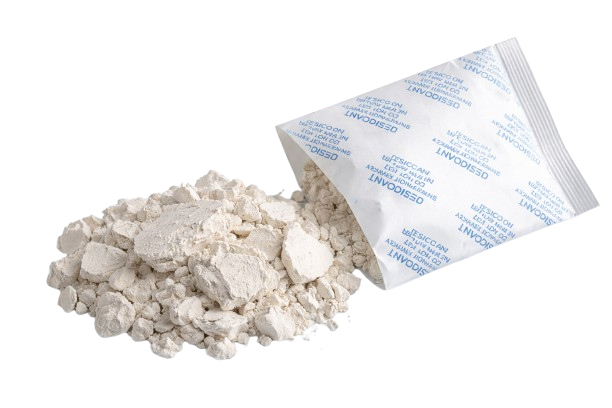
Why Desiccants Matter
Moisture trapped inside packaging and storage environments can lead to corrosion, mold growth, and product deterioration. Desiccants help maintain dry conditions by absorbing excess humidity from the air.
- • Prevents corrosion and moisture damage
- • Protects goods during shipping and storage
- • Reduces condensation inside sealed packaging
- • Maintains product quality and shelf life
Moisture Protection Solutions
Absorbent desiccants absorb moisture by chemically bonding water into the bulk of the desiccant material. They are slow acting but have high absorption capacity and remain active longer.
Learn More arrow_right_alt Absorbent
Desiccant
Absorbent desiccants remove moisture by chemically binding water vapor within their structure, providing long-lasting humidity control.
They are used to protect products from corrosion, mold growth, and moisture damage during storage and transportation.
These desiccants offer higher moisture absorption capacity than silica gel and clay, even in high-humidity conditions.
Absorbent desiccants help maintain product quality and ensure reliable moisture protection across the supply chain.
Calcium Chloride Desiccant
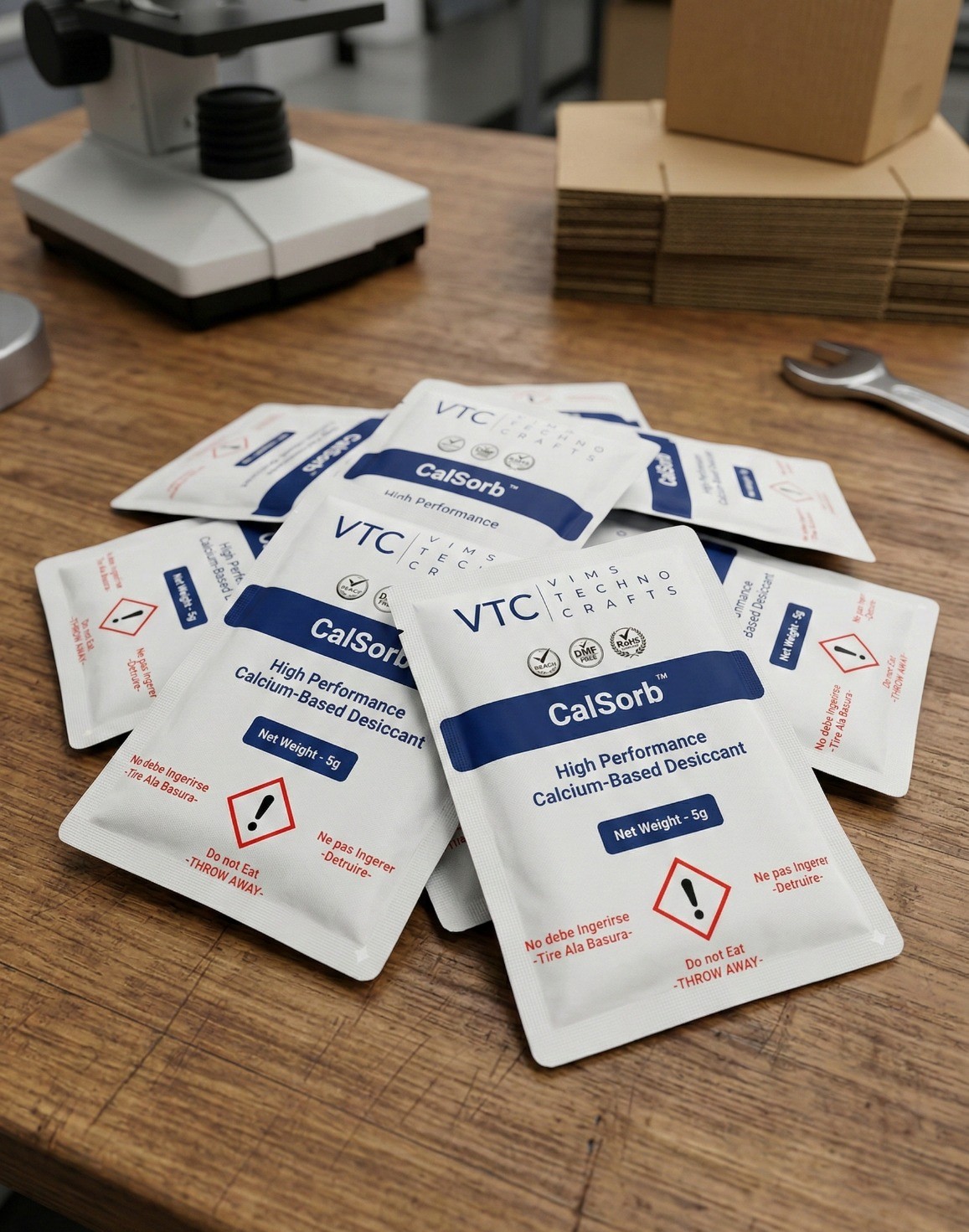
Calcium chloride desiccant is a highly efficient moisture absorber designed for export packaging, container shipping and industrial storage protection. With high moisture absorption capacity, it helps prevent mold, corrosion, condensation and product damage during transportation and warehousing.
Available in multiple formats such as sachets, hanging strips and bulk bags, calcium chloride desiccants are widely used in electronics packaging, textiles, machinery protection and logistics operations.
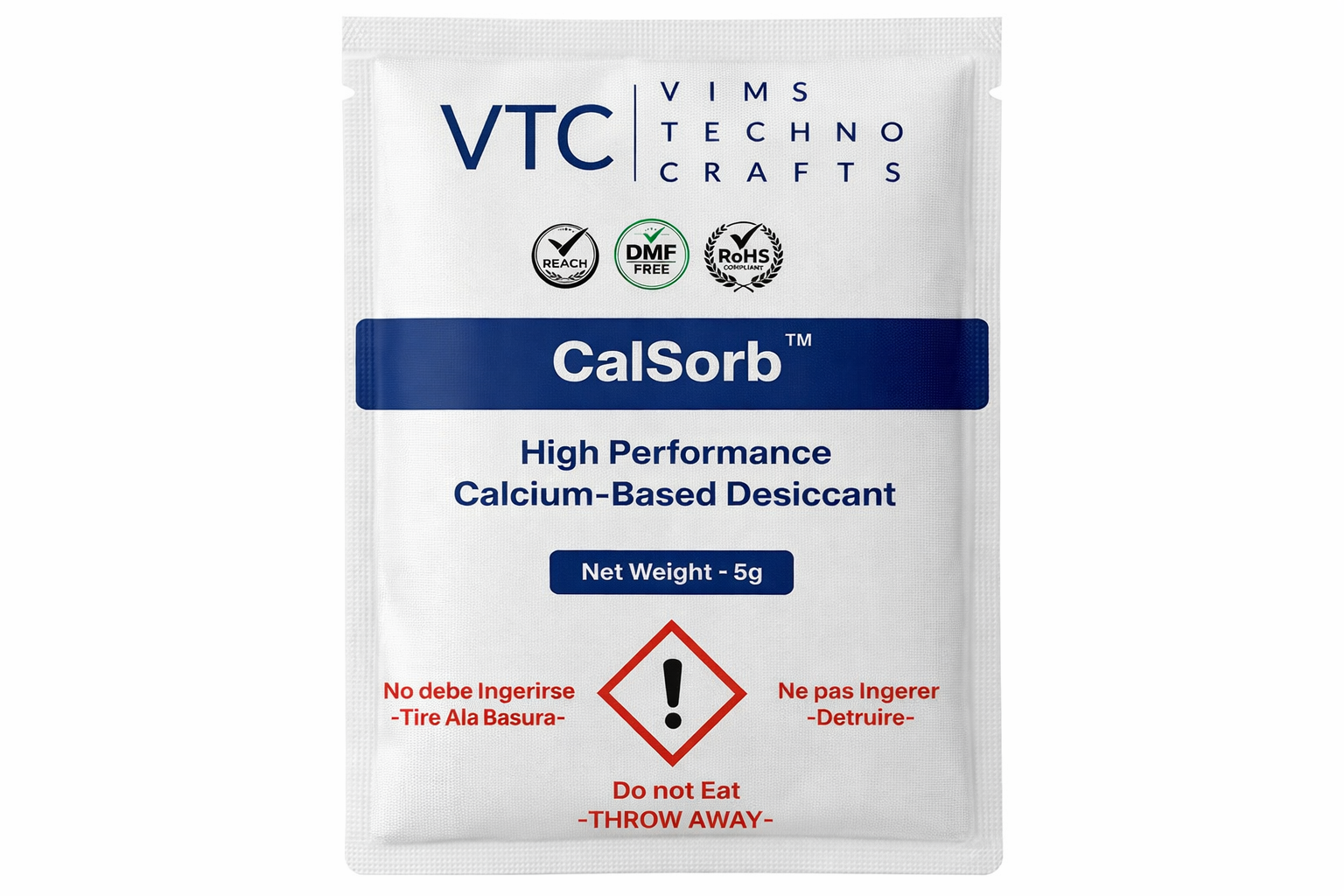
Calcium Chloride Desiccant Packets
Small desiccant sachets placed inside packaging boxes to protect electronics, garments, machinery and industrial products from moisture damage.
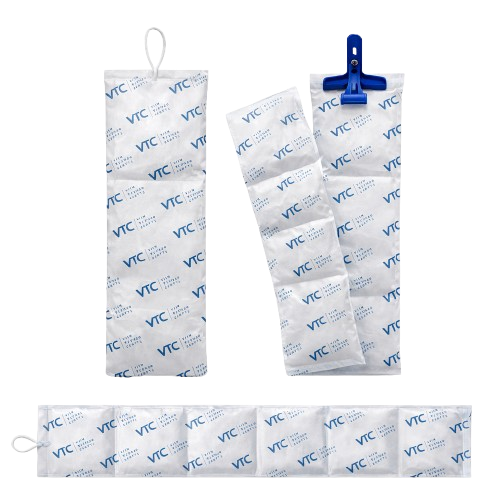
Hanging Desiccant Strip
Designed for container shipping and warehouse environments, hanging desiccants absorb moisture and prevent container rain during transportation.
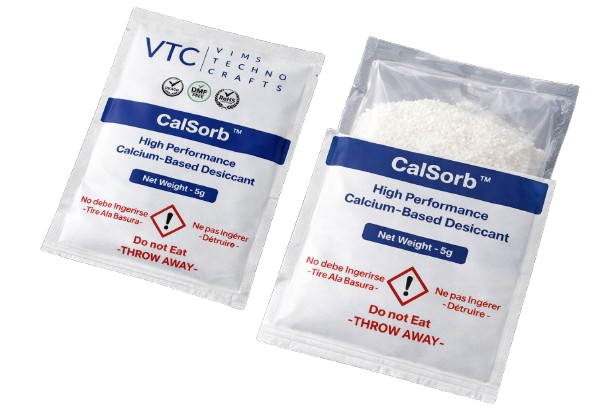
Double Bag Desiccant Packet
- Composition: Calcium Chloride + moisture locking polymer
- Appearance: White powder (dry) → Gel form after moisture absorption
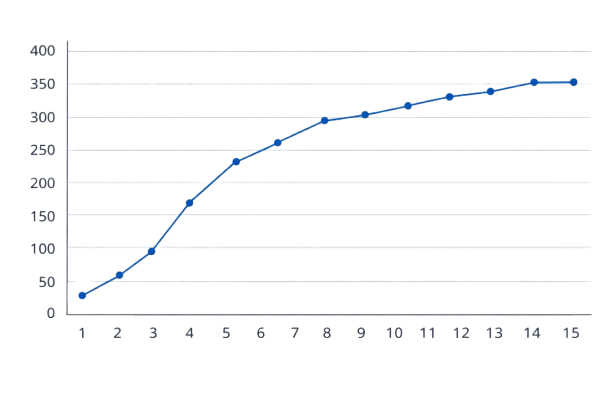
- Absorption Capacity: Up to 350% moisture absorption
- Packaging: Non-woven outer + multi-layer breathable inner film
- Leak protection structure for safe moisture containment
- Non-toxic, odorless and environmentally friendly
- Available Sizes: 2g / 5g / 10g / 50g / 100g / 200g / 250g
Double-bag calcium chloride desiccant packets are designed to provide enhanced moisture absorption and leak protection. The advanced structure quickly captures humidity and converts it into a stable gel, ensuring safe and reliable moisture control during shipping and storage.
Features
Ultra-High Absorption Capacity
- Moisture absorption up to 350% of its own weight
- Rapid moisture capture for long-term dryness
- Highly effective in high humidity environments
Visual Moisture Indication
- Powder transforms into gel after absorbing moisture
- Easy visual indication of saturation level
Leak-Proof Design
- Multi-layer breathable packaging structure
- Moisture converted to gel to prevent leakage
- Designed for safe packaging applications
Safe & Eco-Friendly
- Non-toxic and odorless materials
- Safe for industrial and commercial packaging
Multi-layer Desiccant Packaging Structure
Moisture Absorption Curve
The graph represents the moisture absorption trend under high humidity conditions in controlled testing environments.
How Does It Work?
- Place the desiccant inside packaging or enclosed spaces.
- The powder absorbs moisture and converts into gel.
- Once the desiccant becomes gelled, it indicates full moisture absorption.
Adsorbent
Desiccant
Adsorbent desiccants Adsorbent desiccants control moisture by attracting and holding water vapor on their surface through physical adsorption.
They are commonly used to protect products from humidity-related issues such as corrosion, mold growth, and packaging damage.
Adsorbent desiccants respond quickly to changes in humidity, making them ideal for controlled and stable environments.
Using adsorbent desiccants helps maintain dryness, protect sensitive goods, and ensure consistent storage conditions.
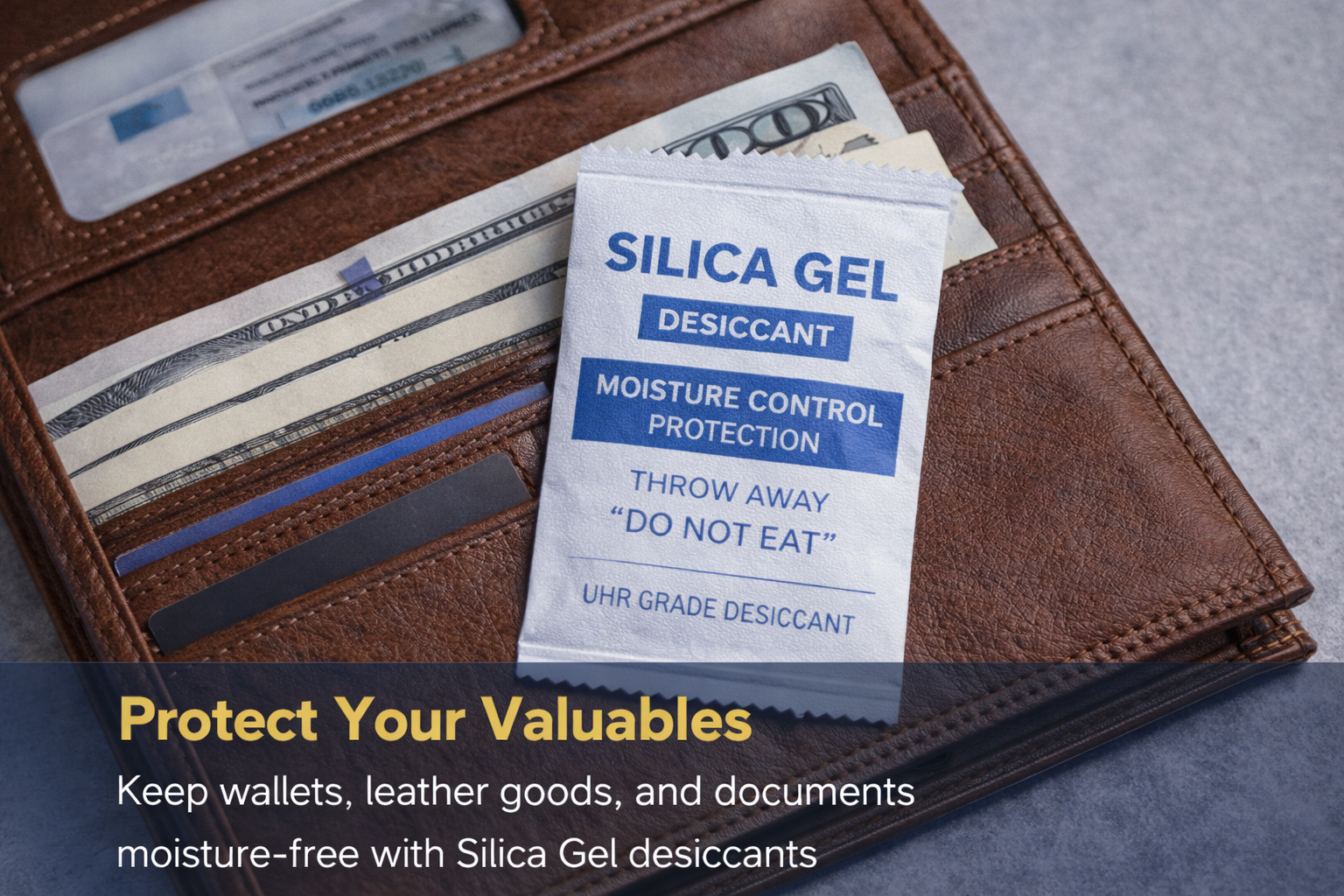
Silica Gel Desiccants
Silica gel desiccants adsorb moisture by trapping water molecules on their surface, providing fast and reliable humidity control.
They are widely used in electronics, pharmaceuticals, and packaging applications.
Silica gel performs best in controlled environments with moderate humidity.